



NK3R
NK3R (neurokinin-3 receptor), encoded by TACR3, is a class A G protein-coupled receptor of the tachykinin receptor family that preferentially binds the endogenous neuropeptide neurokinin B (NKB) and mediates neuroendocrine signaling in the central nervous system and hypothalamus[1][2]. Mechanistically, NKB-NK3R signaling contributes to the regulation of gonadotropin-releasing hormone (GnRH) secretion and reproductive axis activity, establishing NK3R as a key component of central reproductive control pathways[3][4]. Studies of patients carrying loss-of-function TAC3 or TACR3 mutations demonstrated that disruption of this pathway causes normosmic congenital hypogonadotropic hypogonadism and revealed an essential physiological role for NK3R in pubertal development and gonadotropin regulation[3][5]. In disease-associated neuroendocrine phenotypes, impaired NK3R signaling is linked to reduced GnRH pulse frequency, altered luteinizing hormone secretion, and elevated FSH/LH ratios, providing clinically relevant experimental markers for pathway dysfunction[5]. Compared with the related tachykinin receptors NK1R and NK2R, NK3R exhibits the highest affinity for NKB and therefore mediates distinct biological functions within tachykinin signaling networks[1][2]. For experimental applications, selective NK3R agonists such as senktide and selective antagonists including talnetant, osanetant, pavinetant, and fezolinetant have been widely used to investigate receptor pharmacology, neuroendocrine regulation, and therapeutic modulation of NKB-dependent signaling pathways[1][6].
References:
- [1]. Sun W, et al. Structural insights into neurokinin 3 receptor activation by endogenous and analogue peptide agonists. Cell Discov. 2023 Jun 30;9(1):66. [Content Brief]
- [2]. Zhang WW, et al. Tacr3/NK3R: Beyond Their Roles in Reproduction. ACS Chem Neurosci. 2020 Oct 7;11(19):2935-2943. [Content Brief]
- [3]. Topaloglu AK, et al. TAC3 and TACR3 mutations in familial hypogonadotropic hypogonadism reveal a key role for Neurokinin B in the central control of reproduction. Nat Genet. 2009 Mar;41(3):354-358. [Content Brief]
- [4]. Zhang C, et al. 17 β-estradiol rapidly increases ATP-sensitive potassium channel activity in gonadotropin-releasing hormone neurons [corrected] via a protein kinase signaling pathway. Endocrinology. 2010 Sep;151(9):4477-84. [Content Brief]
- [5]. Francou B, et al. Normosmic congenital hypogonadotropic hypogonadism due to TAC3/TACR3 mutations: characterization of neuroendocrine phenotypes and novel mutations. PLoS One. 2011;6(10):e25614. [Content Brief]
- [6]. Wikipedia.
-
NK3R Related Products (32)
Related Products (32)

- 1
- 2
-
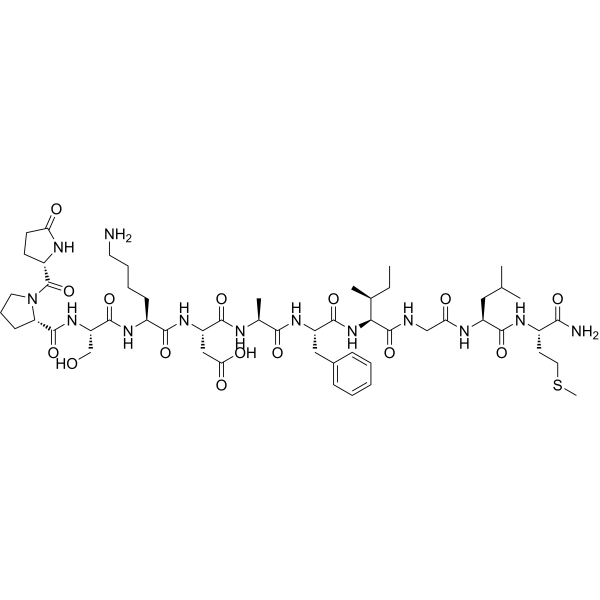
Senktide
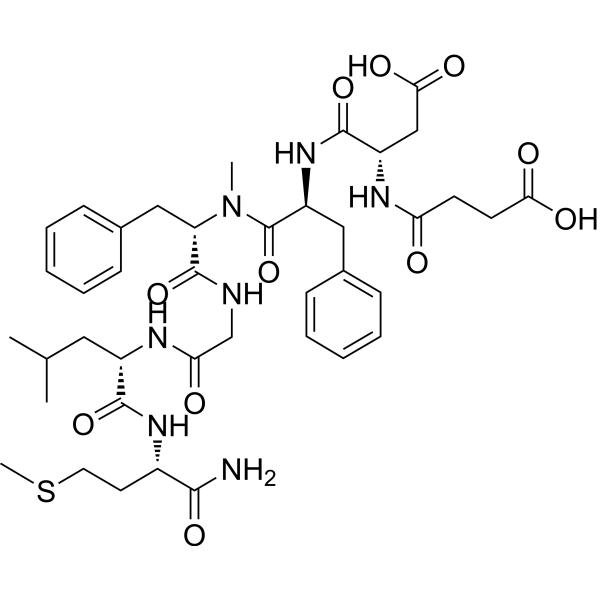 0 ImagesSenktide is a potent, selective agonist of the neuromedin K3 (NK3) receptor (EC50=0.5-3 nM). Senktide less potently agonizes the NK1 receptor (EC50=35 µM). Senktide is promising for research of neurological disease.
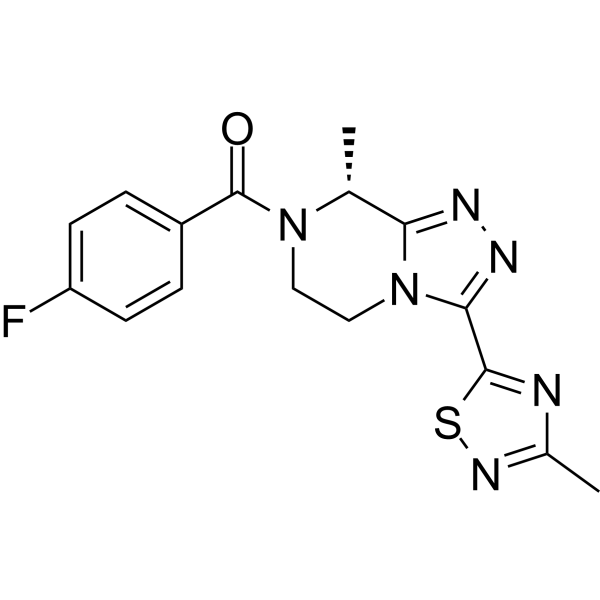
-
Neurokinin B TFA
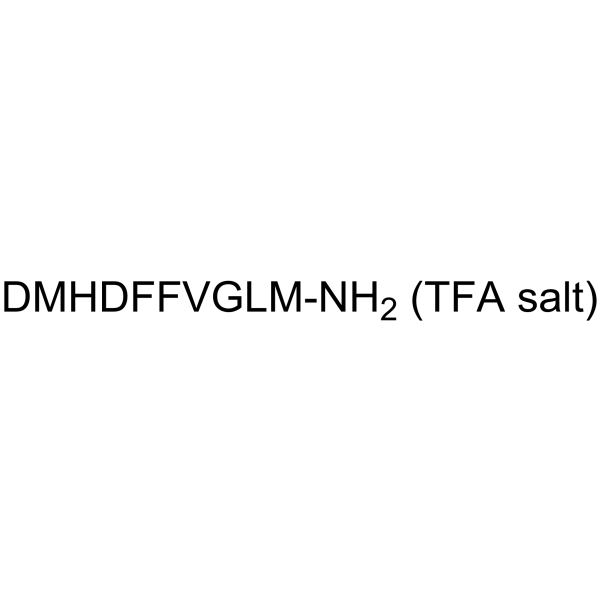 0 ImagesNeurokinin B TFA is a tachykinin family peptide that preferentially binds to and activates NK3R over other tachykinin receptors. Neurokinin B TFA preferentially binds to the substance P receptor (SP-N receptor) and mediates acetylcholine release from cholinergic neurons. Neurokinin B TFA regulates the pulsatile release of Kisspeptin and GnRH, stimulates or inhibits the secretion of luteinizing hormone (HY-P2293), regulates reproductive function via metabolic signals, and drives the onset of puberty. Neurokinin B TFA exerts vasoactive effects and induces contraction of isolated guinea pig ileum. Neurokinin B TFA can be used in studies related to hypogonadotropic hypogonadism.
-
SB-222200
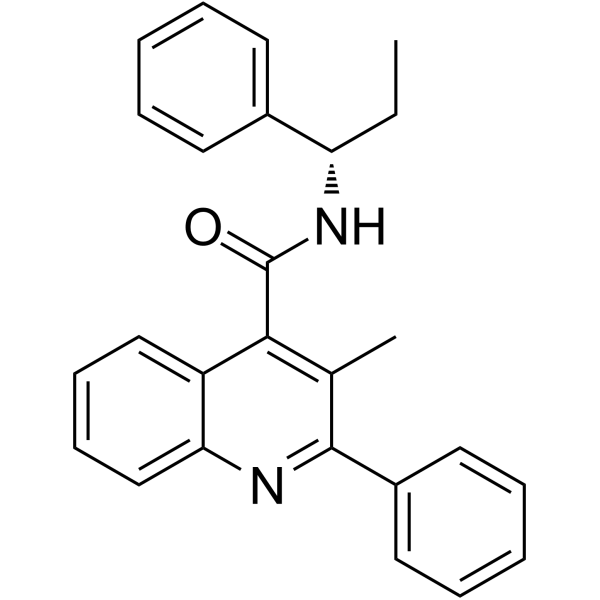 0 ImagesSB-222200 is a potent, selective, orally active and blood-brain barrier (BBB) penetrant NK-3 receptor antagonist. SB-222200 is developed for central nervous system (CNS) disorders.
-
Talnetant
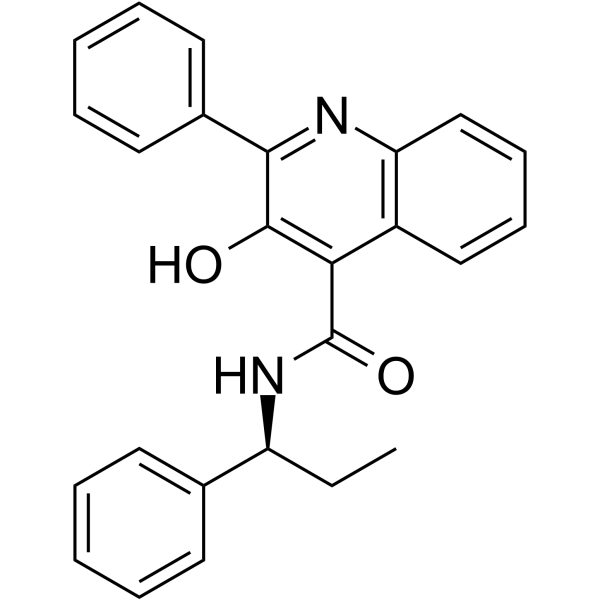 0 ImagesSynonyms: SB 223412Talnetant (SB 223412) is a selective, competitive, brain-permeable NK3 receptor antagonist with a Ki of 1.4 nM in hNK-3-CHO cells. Talnetant is 100-fold more selective for hNK-3 relative to the hNK-2 receptor and has no affinity for hNK-1. Talnetant can be used in schizophrenia-related studies.
-
Grexenetant
 0 ImagesCat. No.: HY-187871CAS No.: 2854332-29-7Grexenetant (compound I) is a NK-3 receptor antagonist. Grexenetant can be used in the research of diseases mediated by NK-3 receptors, such as depression, anxiety, psychosis, schizophrenia, psychotic disorders, bipolar disorder, cognitive impairment, Parkinson's disease, Alzheimer's disease, attention deficit hyperactivity disorder, pain, convulsions, obesity, inflammatory diseases, vomiting, preeclampsia, airway-related diseases, reproductive disorders, sex hormone-dependent diseases, gynecological diseases, and menopausal syndrome.

-
RO5328673
 0 ImagesCat. No.: HY-182423CAS No.: 1310817-94-7RO5328673 is an orally active, blood-brain barrier permeable neurokinin receptor antagonist that effectively targets human NK3 receptors (Ki=0.4 nM, Ka=0.1 nM), human NK2 receptors (Ki=1.1 nM, Ka=0.9 nM), and guinea pig NK3 receptors (Ka=0.1 nM and 0.13 nM). RO5328673 acts as an insurmountable antagonist of NK3 receptors with a slow dissociation rate, while it shows rapid association and dissociation rates at human NK2 receptors. RO5328673 potently inhibits senktide (HY-P0187)-induced enhancement of spontaneous activity in dopaminergic neurons and reverses senktide-induced changes in motor activity of gerbils. RO5328673 is widely applicable to research related to schizophrenia.
-
Neurokinin B
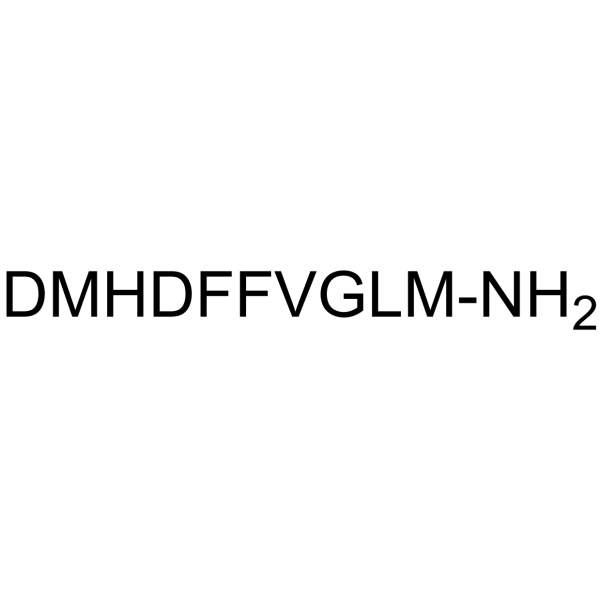 0 ImagesNeurokinin B is a tachykinin family peptide that preferentially binds to and activates NK3R over other tachykinin receptors. Neurokinin B preferentially binds to the substance P receptor (SP-N receptor) and mediates acetylcholine release from cholinergic neurons. Neurokinin B regulates the pulsatile release of Kisspeptin and GnRH, stimulates or inhibits the secretion of luteinizing hormone (HY-P2293), regulates reproductive function via metabolic signals, and drives the onset of puberty. Neurokinin B exerts vasoactive effects and induces contraction of isolated guinea pig ileum. Neurokinin B can be used in studies related to hypogonadotropic hypogonadism.
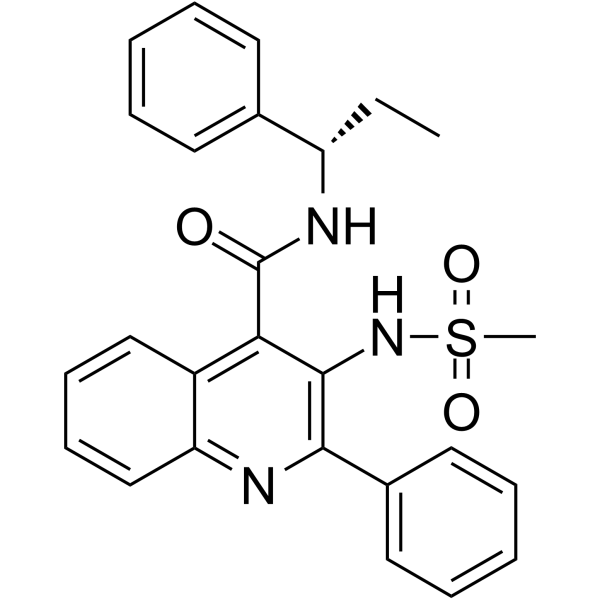
-
Osanetant
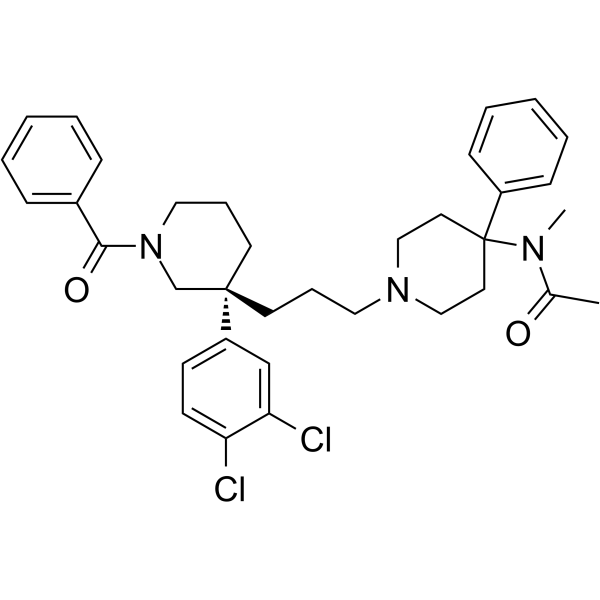 0 ImagesSynonyms: SR142801Osanetant (SR142801) is a selective NK3 receptor antagonist. Osanetant produces anxiolytic- and antidepressant-like effects and is researched for schizophrenia.
-
MEN 10207
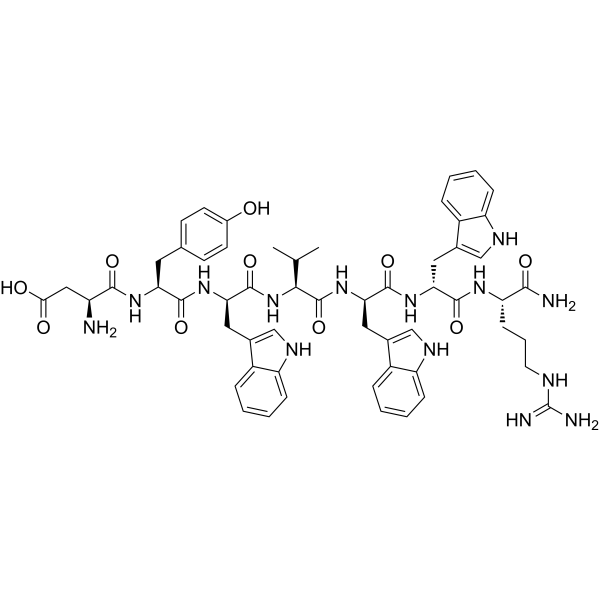 0 ImagesMEN 10207 is a selective NK-2 tachykinin receptor (Neurokinin Receptor) antagonist. MEN 10207 has pA2 values of 5.2, 7.9 and 4.9 in three monoreceptor in vitro assays for NK-1, NK-2 and NK-3 tachykinin receptors, respectively.
![[MePhe7]-Neurokinin B](https://file.medchemexpress.com/product_pic/hy-p3862.gif "Click to View [MePhe7]-Neurokinin B Product Detail")
-
Fosnetupitant chloride monohydrochloride
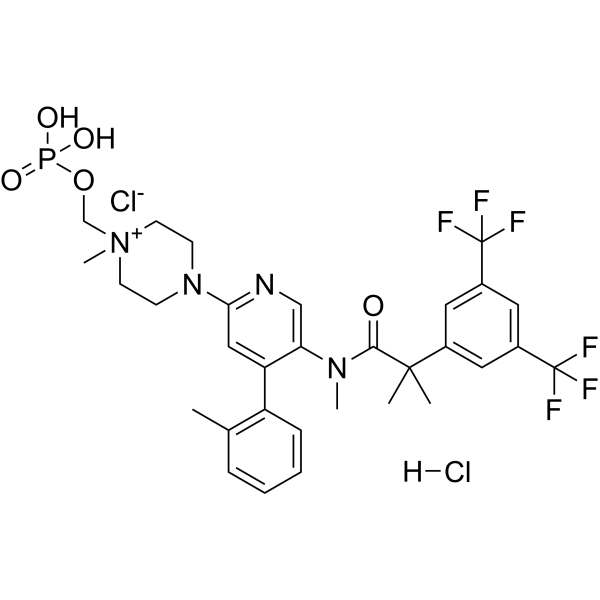 0 ImagesCat. No.: HY-133206ACAS No.: 1643757-72-5Synonyms: Pronetupitant chloride monohydrochlorideFosnetupitant chloride monohydrochloride (Pronetupitant chloride monohydrochloride) is an NK1 antagonist with pKi values of 9.5, 6.1 for human NK1 and NK3 receptor, respectively. Fosnetupitant chloride monohydrochloride is a methylene phosphate prodrug of Netupitant.
-
Hemokinin 1, human
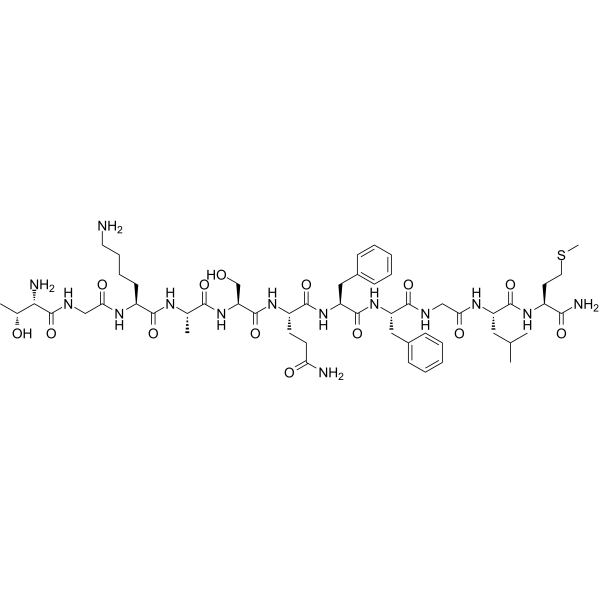 0 ImagesHemokinin 1, human is a selective tachykinin neurokinin 1 (NK1) receptor full agonist. Hemokinin 1, human is a full agonist at NK2 and NK3 receptor. Hemokinin 1, human can produces an opioid-independent analgesia.
-
SB 218795
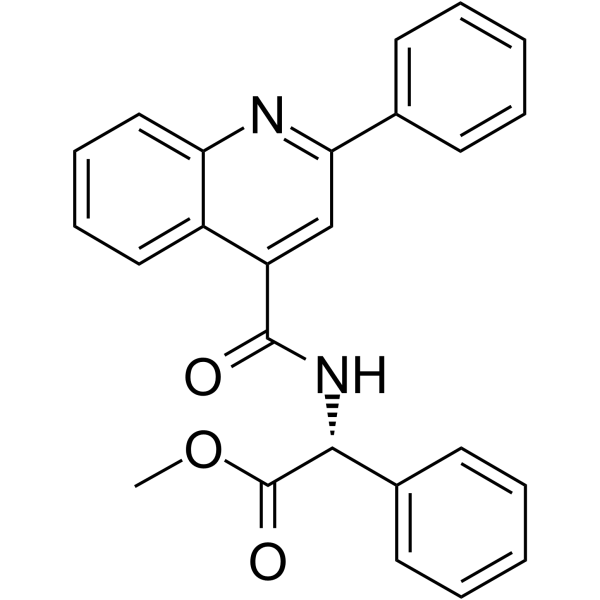 0 ImagesSB 218795 is a potent and selective non-peptide NK3 receptor antagonist, with a Ki 13 nM for hNK3. SB 218795 shows about 90-fold and 7000-fold selectivity for hNK3 over hNK2 and hNK1, respectively. SB 218795 can inhibit NK3 receptor-mediated pupillary constriction of the rabbit.
-
SDZ NKT 343
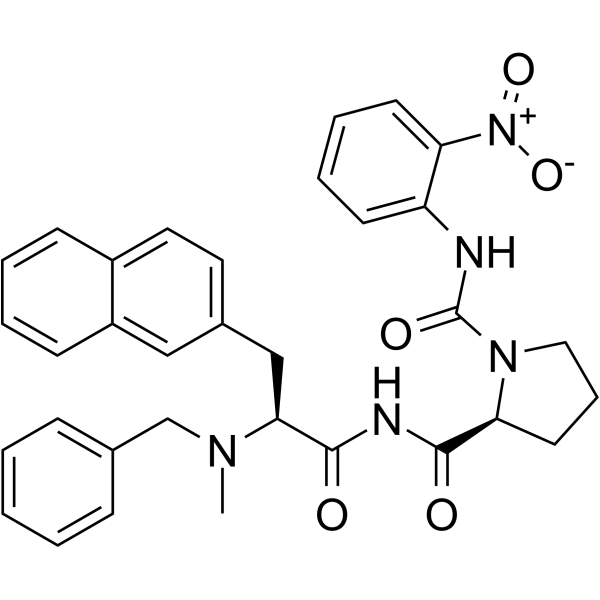 0 ImagesCat. No.: HY-108480CAS No.: 180046-99-5SDZ NKT 343 is a selective, orally active NK1 receptor antagonist with an IC50 of 0.62 nM against human NK1 receptor. SDZ NKT 343 has good analgesic activity.
-
CS-003 Free base
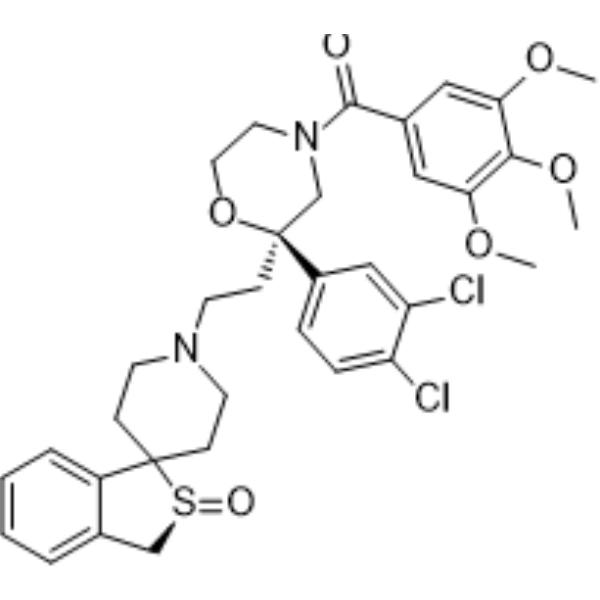 0 ImagesCat. No.: HY-19633CAS No.: 191672-52-3CS-003 Free base (CS-003), a triple tachykinin receptor antagonist, shows high affinities for human (Neurokinin) NK1, NK2 and NK3 receptors with Ki values of 2.3 nM, 0.54 nM and 0.74 nM, respectively. CS-003 Free base (CS-003) has therapeutic efficacy on respiratory diseases associated with neurokinins.
- 1
- 2



